Why Choose a MicroBit V2 Programmable Board?
Wiki Article
Today, digital learning is moving beyond screens alone. As a result, many learners want tools that can show how code controls movement, light, sound, and data. This board meets that need by offering a compact platform that supports creativity, logical thinking, and hands-on experimentation from the very first lesson. The main purpose of the MicroBit V2 programmable board is to make coding and physical computing more accessible. Instead of introducing complex systems at the start, it gives users a manageable way to learn programming concepts while also exploring how electronics behave in practical projects. Moreover, it helps connect software with hardware. A learner can write code on a laptop, transfer it to the board, and instantly test the result. Consequently, coding becomes more meaningful because every command can trigger a visible or measurable response. In classrooms, this practical approach improves engagement. At home, it gives hobbyists a flexible platform for experimentation. In both settings, it supports structured learning without making the process feel intimidating. One of the biggest reasons this board stands out is its rich set of built-in functions. Since several useful features are already included, users can begin without buying many extra parts. The board includes essential features that support both simple and more advanced activities: Because these functions are built in, learners can focus on understanding logic, conditions, and outputs before moving into external electronics. This smooth introduction is especially useful for beginners who need a strong foundation first. Although the board is small, it supports a broad range of project ideas. It can connect to cables, sensors, connectors, and other modules, which makes expansion easy. Therefore, users can start with simple tasks and then progress towards more detailed builds involving data collection, movement, and feedback. This flexibility makes it ideal for education. At the same time, it also appeals to creative users who want a practical entry into the world of microcontrollers and embedded systems. The MicroBit V2 programmable board helps learners understand coding through direct interaction. Instead of reading commands without context, they can see what the code actually does. For example, a student can write a program that lights up LEDs, reacts to sound, counts movement, or displays messages. Because the result appears immediately, the connection between code and action becomes much clearer. This type of practical learning supports several important programming concepts: As learners progress, they begin to understand how modern controllers and microprocessors handle tasks inside everyday digital products. Therefore, the board works well as a stepping stone into broader technology education. STEM education depends on tools that are both accessible and meaningful. The MicroBit V2 programmable board meets this requirement because it combines coding, electronics, and problem solving in one easy platform. Students can test ideas, make mistakes, correct them, and improve results quickly. In addition, teachers can use it to explain how devices respond to data from sensors, switches, and connected inputs. This makes lessons more active and easier to remember. The board offers clear advantages in educational settings: Because it can be used across different age groups, it remains useful in primary learning, secondary education, and coding clubs. Furthermore, it introduces technical ideas in a format that feels approachable rather than overly complex. A major strength of the MicroBit V2 programmable board is its versatility. Since it includes useful features from the start, users can create a wide variety of projects without major setup. Popular project ideas include: These projects do more than entertain. They also teach how electronics respond to input, how controllers process code, and how hardware components work together in simple systems. Although the board is powerful on its own, external components can make projects even more useful. When learners begin to expand their builds, they discover how practical electronics are assembled and controlled. Common additions include: In more advanced learning, users may also come across components such as a capacitor, fuses, switches, and simple support boards. These elements help explain how circuits are protected, stabilised, and controlled in larger electronics systems. The MicroBit V2 programmable board is often a first step into many broader areas of technology. While it is beginner-friendly, the ideas it introduces are highly relevant to real-world systems. For instance, it helps users understand: Although a simple learning board is very different from industrial equipment involving contactors, advanced switches, or heavy-duty controllers, it still introduces the same core logic. That is why it is such a useful educational tool. Safe handling is important whenever learners work with electronics. Fortunately, the MicroBit V2 programmable board is designed for education, but good habits still help protect both the device and the user. Useful safety tips include: These simple steps support safer learning and prepare users for future work with more advanced electronics, microprocessors, and hardware systems. The MicroBit V2 programmable board remains popular because it combines simplicity, flexibility, and educational value. It allows beginners to start quickly, while still offering room for progression into coding, electronics, and creative design. Additionally, it supports curiosity. A learner can begin by displaying an icon on the LED matrix and later move into projects involving sensors, safety functions, data exchange, and physical interaction. As a result, the board continues to stay relevant in modern learning environments. Choosing a MicroBit V2 programmable board makes sense for learners who want a practical introduction to coding and electronics. It offers built-in features, simple programming options, and strong project potential in one compact device. Because of that, it helps users understand how code, sensors, connectors, and outputs work together in meaningful ways. Whether it is used in a classroom, workshop, or home learning setup, this board provides a reliable starting point for developing digital and technical skills. For anyone interested in modern electronics, microcontrollers, and hands on STEM education, it remains an excellent tool.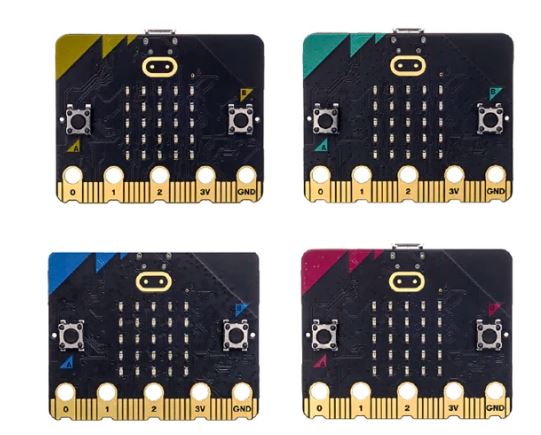
Introduction
The MicroBit V2 programmable board is a smart choice for anyone who wants to learn coding, explore electronics, and build interactive projects in a simple way. Because the MicroBit V2 programmable board combines beginner-friendly programming with practical hardware features, it helps students, teachers, and makers understand how digital ideas translate into real actions through sensors, LEDs, switches, and other connected components.
What Is the Purpose of This Programmable Board?
Core Features of the MicroBit V2 Programmable Board
Built-In Functions That Make Learning Easier
Compact Design With Strong Flexibility
How It Supports Coding Skills
Why It Is Valuable for STEM Learning
Practical Benefits in the Classroom
Common Projects You Can Create
Using External Components With the Board
Related Technology Concepts: It Helps Explain
Safe Use and Good Working Habits
Why It Continues to Be a Popular Choice
Final Thoughts